Product Development Process - Engineering

Engineering turns a concept into a product that can exist in the real world. Throughout this process, design intent is refined against physical requirements, manufacturing constraints, user needs, cost targets, quality expectations, safety, reliability, and volume. At Rute, engineering is not treated as a separate afterthought. It is part of the same development path that connects creative direction to a viable product.

3D CAD Part Design & Engineering

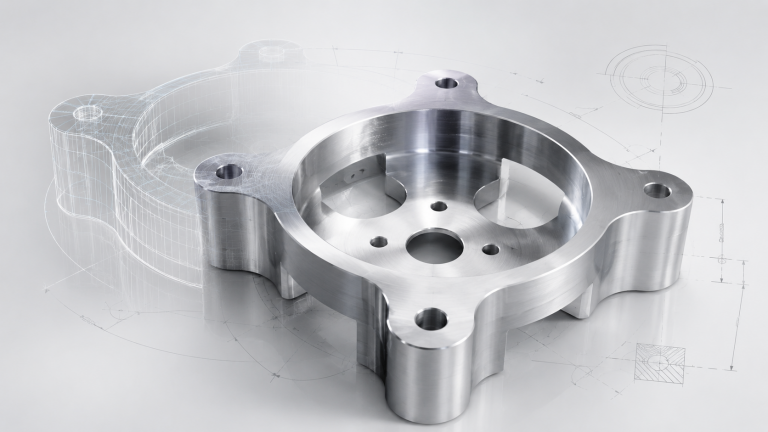
Individual part design is a foundational skill for product designers or design engineers. The best part designs are simultaneously driven by form and function. Manufacturing constraints, performance requirements and product life cycles are also woven into the process. 3D CAD modeling software is the primary tool used to develop parts
Read More »

Mechanism Design

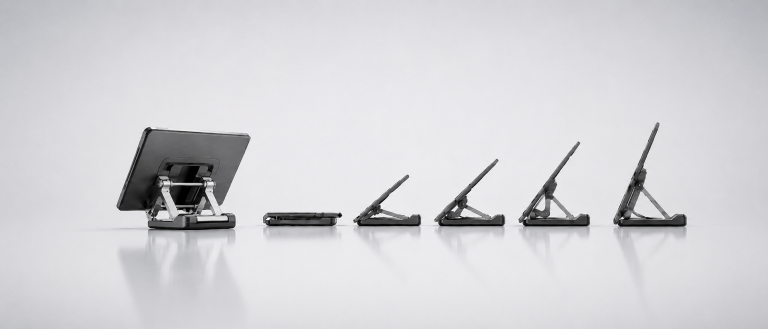
Mechanism design is where movement, force, timing, and user interaction are developed into a working product solution. Many products require parts to slide, rotate, lock, release, fold, adjust, latch, or move through a controlled range of motion. These mechanical behaviors need to feel intuitive to the user while also being

Read More »

Electro-mechanical Design

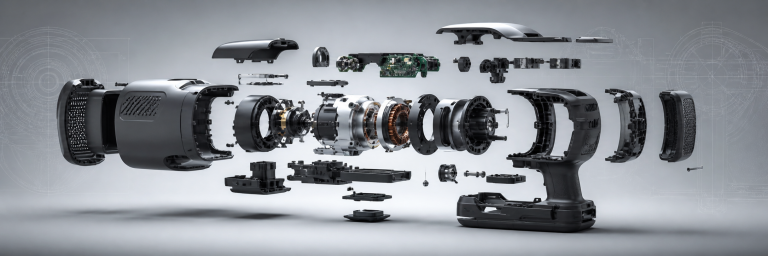
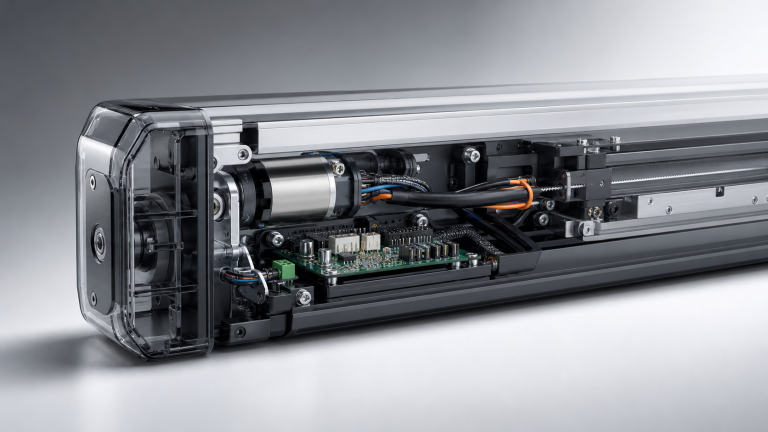
Electro-mechanical design brings physical product development together with electronics, controls, motors, sensors, displays, wiring, and user interfaces. These products often require close coordination between industrial design, mechanical engineering, electrical systems, software, and manufacturing. The physical enclosure, internal layout, control locations, service access, cooling, wiring paths, and user interaction all need

Read More »
Rute Design - Design for Manufacture

Design for Manufacture (DFM)

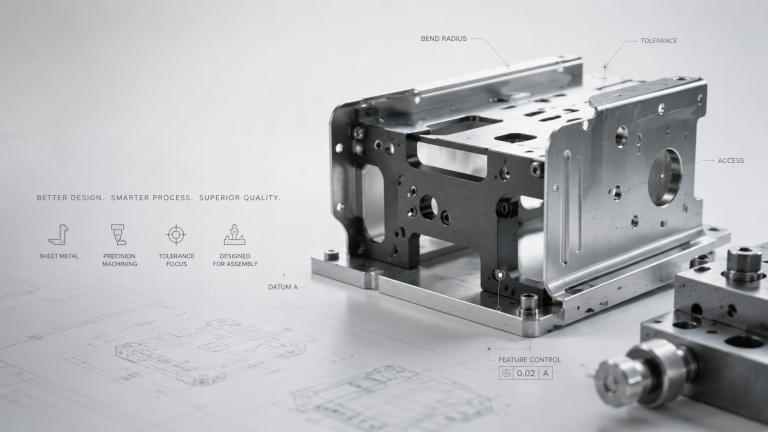
Design for Manufacture is the process of refining a product so it can be produced reliably, efficiently, and at the right level of quality. A product may look good in concept form, but the details of material selection, wall thickness, draft, parting lines, machining access, tolerances, finishing, tooling, and process

Read More »

Design for Assembly (DFA)

Design for Assembly focuses on how a product comes together. Even when individual parts are well designed, the full product can become difficult, expensive, or unreliable if the assembly process is not considered. Fasteners, part orientation, access, sequence, alignment, serviceability, and the number of components all affect production cost, quality,

Read More »

Handoff Documentation

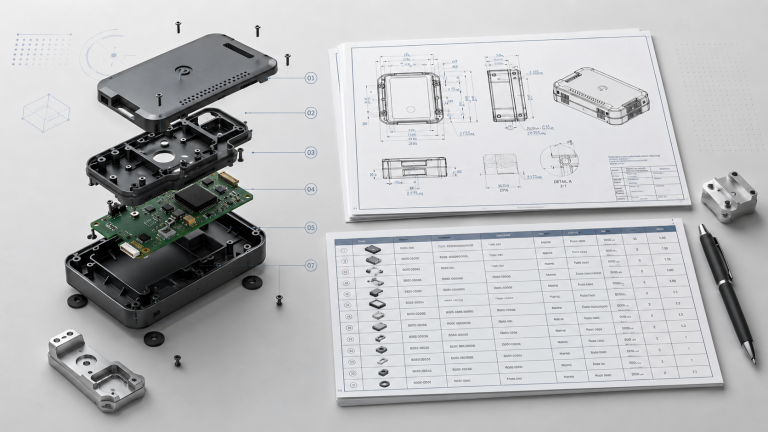
Handoff documentation translates the developed product into the information needed for manufacturing, quoting, review, and production. Clear documentation helps reduce ambiguity between the client, designer, engineer, supplier, and manufacturer. Depending on the project, this may include production CAD files, 2D drawings, tolerance information, material specifications, finish requirements, assembly notes, exploded

Read More »